Showing posts with label English. Show all posts

November 4, 2015

NaNoWriMo 2015

I almost forgot to let you know about this year’s …


Yes, I’m taking part again. As I told a friend of mine—who actually brought me to NaNoWriMo 4 years ago: I wouldn’t miss it for the world.

It’s time to dive deep into that jungle of words, phrases and paragraphs again to arrive at something that might not be a finished novel but that you can work with.

I’m looking forward to seeing my own story unfold. I have a rough guide line up to a certain point with a chapter overview. Even now I experience that characters go off track and my prologue is longer than I thought it would turn out … but I enjoy every minute of it because it means that the story and the creative juices are alive and well.

Keep on writing.

≈≈≈≈≈≈≈≈≈≈≈≈≈≈≈≈≈≈≈

Ich habe beinah vergessen, euch über den diesjährigen NaNoWriMo zu erzählen.

Ja, ich mache wieder mit. Wie ich einem Freund erzählte – in der Tat brachte er mich vor 4 Jahren zum NaNoWriMo: Ich würde es um nichts in der Welt verpassen.

Es ist Zeit, in den Dschungel aus Wörtern, Sätzen und Abschnitten einzutauchen, um an etwas zu kommen, das vielleicht noch kein fertiger Roman ist, aber mit dem man arbeiten kann.

Ich freue mich darauf, zu sehen, wie sich meine Geschichte entwickelt. Ich habe einen groben Plan in Form einer Kapitelübersicht bis zu einem bestimmten Punkt. Bereits jetzt erlebe ich, dass Charaktere sich anders verhalten und der Prolog ist länger als ich mir das zuerst vorgestellt habe … aber ich genieße jede Minute, weil es heißt, dass die Geschichte und die kreativen Energien gesund und munter sind.

Immer schön weiter schreiben.


November 1, 2014

NaNoWriMo 2014

What I’ll be doing for the next 30 days: It’s NaNoWriMo time!
Nur, damit ihr wisst, was ich die nächsten 30 Tage so treibe: Es ist Zeit für NaNoWriMo!


May 19, 2014

»Nemfa Na’rìng« ta Jean Hegland – »Into the Forest«

Fìpuk lu ngaya tsyeym nìfya’o a lu ep’ang fwa sla’tsu. Vurìri pamrelsiyul ngolop ’a’awa zìsìtkam slä fpìl oel futa txele lu ngay ulte mi rey. Tsal ayngaru fpeykayìl teri tìrey, kifkey sì ve’o ayuä.


rolun ro collider.com

Lu vur teri mesmuke a meforu fko syaw Nel (Nell) sì ’Iva (Eva) a kelku si hu sa’sem sneyä mì helkutsyìp a na’rìngmì alu Redwood a Californiamì. Inanyu nume nìwin teri kxitx sa’nokä sneyä säspxintalun alu cancer ulte maw hìkrr kop sempul terkup fa fekem mì na’rìng. Ha, meve ’ì’awn nì’awtu hu syuve ahol sì ayhrrap na’rìngä wrrpa a kifkeyäsì.

Nel new ftivia mì numtseng apxa alu Havard. ’Iva new slivu fyolea srewyu. ’awvea hapxìo vurä mefol kan’ìn futa fmal tìreyti letrrtrr. Nel lu tsapo a peng vurit hapxìsko puktsyìpä a sneyä tsmukel tolìng poru ’awa trr. Pum a fuktsyìpkip lu syen taluna, tengkrr inanyur peykereng, kifkey lolatem.

Tsatìlusatem larmen nìk’ong ulte tsari pehem len inanyu ke nume nìno kawkrr. Nìpxi, mefo ke omum nìno nìteng. Nì’aw hì’ia aysrungtsyìpit ahol tolìng fkol vurmì. Momì ahì’i alu kelkutsyìp a na’rìngmì inanyu tsun ’en sivi teri fwa kempe len wrrpa na’rìngä tsraymì apxa sì tsawnuä. Sngä’i fa syura ke zo nì’ul’ul vaykrr ’ìp nìwotx. Ulte syena alo a soaia kä tsrayne, lam fwa ke fkeytok kea tìeyktan nulkrr, kea horen sì kea ve’o.

Txampxìri fìvurä tsamesmuke zene väpivewng fìtsap nì’awtu. Lu ngian ’evan alu ’Ilay (Eli) a sunu Nelur nìtxan. Lu poanur (meka?) säsìlpey a lahea hapxì kllpxìltuä sngä’i tsan’ivul. Po new mesmukehu ’awsiteng sivop tsrayne alu Boston. Slä txokefyaw meve ’ì’awn nì’awtu … stum ne tì’i’a. Taweyka len kemo a *hrrap sleykìyu mefoti sì maweya tìreyti a mì na’rìng.

Slä tsari ke payeng ayngar oel.

Fìvurìl ngop aysäfpìlti a lu stxong. Ke lu nìpxi teri teynga pefya ve’o kifkeyä ’oli’a ki pefya sute a tsamì latem. Peu tsranten nìngay? Pesu tsun livu mal fkoru nìngay? Peut awngal omum teri kifkey tìreysì a awngapxaw nìngay? Natkenong, krra tsasyuve meveyä nän, zene nivume teri na’rìng sì ayewll. Zene nivume teri pewll lu tsukyom, lu ketsukyom fte emrivey. Tsal fkoru fpeykìl ftxey awnga tsirvun emrivey mì hifkeyo a luke syura, luke eltu lefngap, luke spulmokri, luke fmawn *ulte fìfya nìtut fuke. Lu ngäzìk ulte ke lu oer yea tì’eyng aye.


Tìoeyktìng Aylì’uä:
hrrap sleyku ~ produce danger, endanger; in Gefahr bringen, gefährden (after the model of txopu sleyku)
ulte fìfya nìtut ~ and so on; und so weiter


≈≈≈≈≈≈≈≈≈≈≈≈≈≈≈≈≈≈≈≈

This book is a real gem in a way that is difficult to describe. The author wrote it several years ago but I think that the topic is real and still alive. It will make you think about life, the world, and the order of things.

It’s the story of two sisters, Nell and Eva, who live with their parents in a little house in the Redwood forest of California. Quickly the reader learns about the death of their mother from cancer and shortly thereafter their father dies in an accident in the forest as well. So, the two girls are on their own with little food and the dangers of the forest and the outside world.

Nell wants to study at Havard. Eva wants to become a ballet dancer. For the first part of the story both concentrate on maintaining a normal life. Nell is the one who tells the story as part of a notebook that her sister gave her one day. One of the last notebooks because, as the reader is told, the world has changed.

That change happened slowly and the reader never exactly learns what happened. In fact, the two don’t know exactly either. Only a few little hints are given in the story. In the little space of the house in the forest the reader can guess about what happens outside of the forest in the city and beyond. It starts with the electricity not working until it disappears completely. And the last time the family goes to the city, it seems that there is no leadership anymore, no rules and no order.

For the most part of the story the two sisters have to take care for each other on their own. There is, however, a boy Eli whom Nell likes a lot. He has the (empty?) hope that another part of the country starts to get better again. He wants to go to Boston with the sisters. But otherwise the girls are on their own … almost to the end. Because something happens that will endanger their quiet life in the forest.

But I won’t tell you about that.

This story creates strange, unfamiliar ideas. It’s not exactly about how the order of the world ended but rather how people in it change. What is truely important? Whom can you really trust? What do we really know about the world and life around us? For example, as the their food runs out, they have to learn about the forest and the plants. They have to learn which plants are edible and which aren’t in order to survive. It makes you think whether we could survive in a world without energy, PCs, mobile phones, news and so on. It’s difficult and I don’t have a truely satisfying answer.


February 25, 2014

Futility, or The Wreck of the Titan by Morgan Robertson

You might think, ‘Wait a minute. A story about a luxurious ocean liner that transports over 3,000 people across the Atlantic considered to be “unsinkable”? It collides with an iceberg, sinks and most of the passangers are lost? Haven’t we heard that before?’

You might think so and you are certainly right. The similarities to the real events of the catastrophic fate of the ocean liner Titanic are striking right down to the similar name. It gets even eerier if you consider the fact that this novella by American author Morgan Robertson was written 14 years before the by-now famous accident.

Granted, there are differences (the Titan is bigger, can transport more people … and thus, lose more lives because of too few life boats; the route is from North America to England) but the similarities are uncanny and make this reading a weird one at best.

The story follows the disgraced former US Navy officer John Rowland who meets his former lover Myra on board the ocean liner. She is married by now and has a daughter. Rowland, an alcoholic and not very respectable in society anymore, has no way of reconnecting with her.
Half way through the novella, the ship hits an iceberg, Rowland can save Myra’s daughter onto the berg and has to endure several days before being rescued.

The last few chapters deal with the insurance question after the accident. Who is to blame, who will pay for the loss of the investment, and who might gain from it? Again Rowland’s integrity is at stake. For those of you Cameron-followers it is maybe worth noting that one of the share holders of the company is named Selfridge. Coinsidence? Who knows…

Maybe it is impossible to imagine how this story impacted on the reader before the fatal accident that happened on 15 April, 1912 that cost more than 1,500 lives. If you know at least the most common details you will inevitably compare the frame facts of the story to the real events. But that doesn’t diminish the reading experience—it just makes it … weirder. To imagine that somebody pictured something like this before it happened raises the question of ‘life imitating art’… It was something new for me as well in another area: this was my first eBook that I read completely on my mobile device.

Is it a tragic love story as in Cameron’s depiction of the events? Or does Robertson chooses a happy end for the protagonist? Well, you should read it yourself and find out. The book is available for free in eBook form. Enjoy (as far as possible).

December 3, 2013

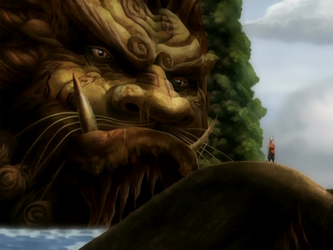
Txantslusama aylì’u a ta Ioang Apxa – Wise words of the Lion Turtle

Narmìn nìfkrr oel relti arusikx alu lahea Uniltìrantokx :P Kezemplltxe ral oeyä lu Syena Ilyu Yayä ;)

Ulte frakrr oeru warmoeiu ultxa hu Aang sì leronsrela Iong Apxa alu Lion Turtle a rey tsakifkeymì. Sre sìwusem ator wä Olo’eyktan Kllpxìltuä Txepä alu Ozai Yailyu alu Aang ätxäle si tsnì poru livu srung a *txankoaka tsaswiräta. Furia tspang tsaOlo’eyktanti lu wä feyä snafpìlfya tìreyä. Ha po ke new tsakem sivi.


Fìsäplltxe lu tsapeyä aylì’u atxantslusam:
Ngaya ronsem tsun emziva’u fratìpuslltxet atsleng sì fraronsrelti akawng luke fwa yak si. Ngaya txe’lan tsun ’ivampi txumit tìve’kìyä luke fwa fkol tìsraw seyki. Ta tsakrr a tìsngä’iluke, tìvawm ’ong mì *sìmek slä laro sleyku a atanìri frakrr tsaw tìng tseng.


Tìoeyktìng aylì’uä:
txankoak ~ ancient
tìmek ~ void

nì’Ìnglìsì


I was watching the other Avatar recently :P Of course, I mean The Last Airbender.

And I was always fascinated by the meeting between Aang and the imagined giant animal called Lion Turtle that live in that world. Before the final fight against the Firelord Ozai, the Airbender Aang requests help from that ancient creature. To kill the Firelord would be against his life’s philosophy. So, he doesn’t want to do it.

This statement is the creature’s wise words:
The true mind can weather all the lies and illusions without being lost. The true heart can touch the poison of hatred without being harmed. Since beginning-less time, darkness thrives in the void, but always yields to purifying light.


nìToitsye

Ich habe mir letztens das andere Avatar angesehen :P Ich meine natürlich Der Herr der Elemente.

Die Begegnung zwischen der Löwenschildkröte, die in dieser Welt leben, und Aang hat mich immer fasziniert. Vor dem letzten Kampf zwischen dem Feuerlord Ozai, bittet Aang die uralte Kreatur um Hilfe. Den Feuerlord zu töten wäre gegen Aangs Lebensphilosophie. Also will er es nicht tun.

Dies sind die weisen Worte der Kreatur:
Der wahre Verstand kann alle Lügen und Illusionen durchschauen ohne sich zu verirren. Das wahre Herz kann das Gift des Hasses überstehen, ohne Schaden zu nehmen. Seit Anbeginn der Zeit hat die Finsternis in der Leere existiert, aber sich immer vor dem reinigenden Licht gebeugt.

April 26, 2012

Aylì’u leNa’vi mì sìrey…

… ayngal tsafnetìfkeytokit omum srak? Fko tìran kxamlä tsray apxa ulte inan aylì’ut letrrtrr luke tìftxey.

Tsìk fpìl fkol futa olinan lì’uot leNa’vi srak? Fìkem lolen oer nìfkrr ulte zamene oe syivep relit tsa’uä.
Fì’u lu tstxo ponguä suteyä a txula aysä’ot a fkol sar mì senge a slu nì’Ìnglìsì kitchen fu nìToitsye Küche.
Fpolatsìl oe pelì’uteri?

Ayngal tsafnetìfkeytokit omum nìngay srak?
Ayngal aminan leNa’via payfnelì’ut? — Sunu oer fwa stawm/inan ayngeyä ayvurit…

nì’Ìnglìsì/English:
… do you know this situation? You walk through the city and read normal words.

Suddenly, you think you read some Na’vi word? This happened to me the other day and I had to take a photo.

This is the name of a group of people who build kitchens.
Which word, do you think, was I thinking about?

Do you know this kind of situation?
Which kind of words did you read? — I’d like to hear/read your stories…

nìToitsye/Deutsch:
… kennt ihr diese Situation? Man geht durch die Stadt und liest wahllos Wörter.

Plötzlich denkt man, ein Na’vi-Wort gelesen zu haben? Das ist mir letztens passiert und ich musste ein Foto davon machen.

Es ist der Name einer Firma, die Küchen herstellt.
An welches Wort habe ich wohl gedacht?

Kennt ihr wirklich diese Art von Situation?
Welche Arten von Na’vi-Wörtern habt ihr schon gelesen? — Ich würde gern eure Geschichten hören/lesen.

November 30, 2011

WriMo Day 21-30 (Tag 21-30)

Day 21-30:
Need I say more?


It’s been a wonderful experience! Sometimes exhilarating, sometimes as if it would completely suck the energy out of you. But in the end, it was worth it and I intend to do it again next year.

As one pep talk suggested, it’s not necessarily about finishing a novel but to find out what the tools are that are in store for you. I didn’t finish my project but I managed to set up a routine that I don’t think I will abandon right away. If this month has taught me something at all, then that I can bring myself to work continuously on a story… Every day a few hundred words will suffice. And it’s something constructive. So, although I reached the official word count (and more: it’s 62k words so far) the story is not finished and I will keep working on that these next few days.

It’s been a blast. Thanks to all my writing buddies and supporters throughout the month.

Tag 21-30:
Muß ich mehr sagen?


Es war ein wunderbares Erlebnis! Manchmal überwältigend, manchmal so schlauchend als würde es die Energie aus einem saugen. Aber am Ende hat es sich gelohnt und ich gedenke, es nächstes Jahr zu wiederholen.

Wie es in einem aufmunternden Wort hieß, geht es nicht unbedingt darum, einen Roman zu beenden, sondern die Werkzeuge zu finden, die einem selbst nutzen. Ich habe mein Projekt nicht zu Ende gebracht, aber ich habe es geschafft, mir selbst eine Routine aufzuerlegen, die ich auch nach diesem Monat nicht aufgeben werde. Wenn mir das Ganze etwas beigebracht hat, dann, daß ich mich dazu bringen
kann, kontinuierlich an einer Idee zu arbeiten… Täglich ein paar hundert Wörter bringen es auch. Vor allem ist es etwas Konstruktives. Obwohl ich also das offizielle Ziel erreicht habe (übertroffen sogar: bis jetzt sind es 62k Wörter), ist die Handlung noch nicht beendet und ich werde in den nächsten Tagen weiter daran arbeiten.

Es war phantastisch. Ein Dank geht an all meine schreibenden Mitstreiter und diejenigen, die mich den Monat über unterstützt haben.

November 22, 2011

WriMo Day 8–20 (Tag 8–20)

Day 8-20:
Oh, it’s been busy here. Honestly, there were a few days when I thought “Pxasìk” (if you get my drift ;) ) and wanted to just let it be. But when I got to 40 thousand I thought “this is the home stretch, I cannot give up now!” When I reached 48 thousand on the 17th day I thought “I would be a fool to give up now”.

But the inner batteries thought otherwise. I just had to recharge, it seems. Two days I couldn’t bring myself to write anything. Constantly with the voice in the back of my mind that said “You’d be a fool to give up now”.

So, on 20 November, I finally reached the 50 thousand word mark (yay for me!) in an excessive non-stop writing marathon. The story is far from finished but I can go about it from a more relaxed angle, I think.

Inspiration, you can knock on my door anytime. Let’s grab a cup of coffee!

Lesson of the days: a few thousand words a day keeps the failure away.

Tag 8-20:
Herrje, es war völlig konfus hier. Es gab, ehrlich gesagt, ein paar Tage, an denen ich dachte „Pxasìk“ (wenn ihr versteht, was ich meine ;) ) und einfach alles hinschmeißen wollte. Aber als ich die 40-tausender Wortmarke erreicht hatte, dachte ich mir „ich bin auf der Zielgeraden, ich kann jetzt nicht aufgeben!“ Als ich die 48-tausender Marke am 17. knackte, dachte ich: „Ich wäre ein kompletter Volltrottel, wenn ich jetzt aufgeben würde“.

Aber ich hatte die Rechnung wohl ohne die inneren Batterien gemacht. Ich mußte wieder Energie tanken. Zwei Tage lang konnte ich mich nicht dazu bringen, irgend etwas zu schreiben. Unaufhörlich die Stimme im Hinterkopf, die sagt „Du wärst ein kompletter Volltrottel, jetzt aufzugeben.“

Am 20. knackte ich endlich die 50-tausender Marke (Yeah!) in einem exzessiven Schreibmarathon. Die Handlung ist längst noch nicht am Ende, aber nun kann ich etwas beruhigter an die Sache herangehen, denke ich.

Inspiration, du kannst jederzeit an meiner Tür klopfen. Dann können wir einen Kaffee trinken.

Lektion der Tage: ein paar tausend Wörter am Tag hält den Mißerfolg fern.

November 8, 2011

WriMo Day 3–7 (Tag 3–7)

Day 3–7:
Miscellaneous questions: Why is it always so hard to begin? Why do I always get into the flow when it’s time to go to bed (because I have to get up in less then 7 hours)? Why do I feel tired when I begin but so awake when I want to go to sleep?

The first week of NaNoWriMo is done and I have to say, it’s going great. There were days when it was harder to get myself to start writing. But in the end I always managed. And I was always proud of the result.

Saturday was good, I wrote till 2 in the morning. I stopped, though, on Sunday to finally finish up that novella I was working on. Die Ankunft der Störche (Arrival of the Storks) is finally finished in its rough draft. Now, I’ll let it simmer and see how it turns out when I’ll check on it again for the revision…

One of my experience is an odd one, though, which I want to share here because I myself was surprised to realise it: Before I started, I was always convinced that the insight into other users’ word counts would be an inspiring thing. Something to ‘pressure’ you on, if you will, to achieve even more than you thought possible of yourself. A competition of sorts. Checking up on a few avid NaNos, however, during the first few days, I noticed that I got frustrated to see how far they’d already gotten, while I was still in my odd hundreds words.
But after a while (and with the help of my sister) I realised that this is not important as long as I concentrate on myself and what I’m doing. In Na’vi there’s this great new word fmokx which is jealousy or envy without the negative connotation. So: furia fo pamrel si fìtxan, ke leiu oeru kea fmokx ;) meaning, ‘I’m not jealous that others write so much.’ Good writing to all of you!

Also, I want to thank Blue Elf for his encouraging comment. Irayo ngaru nìtxan, ma tsmuk. Yes, you’re right. It is a little mad and if you don’t like to compose a story creatively on demand then it will be even harder. But I tell you, the outcome is so rewarding! The realisation—once you look back on the words and the amount of pages that you have already written—that all that was created by yourself is so amazing!

– Which leads to the ultimate question. The one that should decide it all for you, if you do care to admit it to yourself, whether you really want to do it or need to do it: After all the stress, forcing yourself to the desk and in front of that computer to punch in those words for the daily count—why does it still feel so good?!

There is no correct or incorrect answer (well, if you feel good at all, that is) because that is a question you need to answer yourselves…

Lesson of the day: (brought to you by my sister) do your thing, do it well and everything is fine.

Tag 3–7:
Warum ist der Anfang immer so schwierig? Warum bin ich immer im Schreibfluß, wenn es Zeit ist, ins Bett zu gehen (denn ich muß in weniger als 7 Stunden wieder aufstehen)? Warum bin ich müde, wenn ich anfange, aber so wach, wenn ich schlafen will?

Die erste Woche des NaNoWriMo ist um und ich muß sagen: Es läuft großartig. Es gab Tage, da war es schwieriger, mich selbst zu motivieren. Aber am Ende hab ich’s geschafft. Und ich war immer stolz auf das Ergebnis.

Am Samstag hab ich bis 2 in der Früh geschrieben. Ich hab am Sonntag aber aufgehört, um endlich die Novelle zu beenden, an der ich schon so lange arbeite.
Die Ankunft der Störche ist also endlich in ihrer Rohfassung beendet. Jetzt werde ich es ein bißchen liegen lassen und sehen, wie sie mir gefällt, wenn ich sie für eine Überarbeitung durchsehe…

Eine meiner Erfahrungen ist jedoch eine unerwartete, die ich hier teilen möchte, da ich selbst überrascht war, als ich es mitbekam: Bevor ich anfing, dachte ich die ganze Zeit, daß die Einsicht in die Wortzahl anderer Schreiberlinge würde etwas Inspirierendes sein. Etwas, um einen selbst dazu zu bringen, weiterzumachen. Eine Art Konkurrenz. Während ich mir allerdings die ersten Tage ein paar der eifrigen Schreiberlinge ansah, merkte ich, daß es mich eher frustrierte, zu sehen, wie weit sie schon waren, während ich immer noch bei ein paar hundert Wörtern hing.
Aber nach einer Weile (und mit Hilfe meiner Schwester) erkannte ich, daß es nicht wirklich wichtig ist, solange ich mich auf mich konzentriere und was ich tue. Im Na’vi gibt es ein tolles neues Wort,
fmokx, was ‘Eifersucht’ oder ‘Neid’ bedeutet, jedoch ohne negative Konnotation. Also: furia fo pamrel si fìtxan, ke leiu oeru kea fmokx ;) was so viel heißt wie: ‘ich bin nicht neidisch, daß andere so viel schreiben.’ Viel Erfolg beim Schreiben euch allen!

Ich möchte außerdem Blue Elf für seinen motivierenden Kommentar danken.
Irayo ngaru nìtxan, ma tsmuk. Ja, du hast recht. Es ist ein bißchen verrückt, und wenn du es nicht magst, eine Geschichte unter Druck zu schreiben, wird es sogar noch schwerer sein. Aber ich muß sagen, das Resultat ist so lohnend! Die Erkenntnis – sobald man auf die Wörter schaut und die Anzahl der Seiten, die man schon geschrieben hat – daß all das von dir geschaffen wurde, ist so phantastisch!

– Was zur letztlichen Frage führt. Diejenige, die es für euch entscheiden sollte, wenn ihr euch dazu entscheidet, es zuzugeben, ob ihr es tun wollt oder nicht: Nach all dem Streß, sich selbst an den Tisch und vor den Computer zu zwingen, um ein die Wörter für die tägliche Zählung in den Computer zu dreschen – warum fühlt es sich immer noch so gut an?!

Es gibt keine richtige oder falsche Antwort (nun ja, das heißt: falls ihr euch überhaupt wohl dabei fühlt) weil das eine Frage ist, die ihr euch selbst beantworten müßt…

Lektion des Tages: (Dank geht an meine Schwester) mach dein Ding, mach es gut und alles ist gut.

November 2, 2011

WriMo Day 2 (Tag 2)

Day 2:
Whoa, this was a pretty close call… Not that it was very difficult today (well, you know, apart from the fact that you could concentrate on writing but instead you let yourself procrastinate wherever and with whatever you can…) but I was writing up until the last minute to update my word count.

It’s going pretty good. Yesterday, I had the first major shock when my trusted writing software seemed to have been overwhelmed by all the attention it got. So, it decided to shut down for a while … without asking. Maybe a sign of ‘burn out’ … the new illness in fashion these days. But it works again … faithful as ever and sucked in the nearly 3.000 words as fast as I could type them.

Lesson of the day: if you cause your writing software to crash, you’re definitely on the right track.

Tag 2:
Hui, das war ganz schön knapp… Nicht, daß es heute schwierig gewesen wäre (nun ja, ihr wißt ja, abgesehen von der Tatsache, daß man sich auf das Schreiben konzentrieren könnte, aber statt dessen prokrastiniert man wo und wie man nur kann…), aber ich habe wirklich bis fast zur letzten Minute geschrieben, bis ich meine Wortzahl aktualisiert habe.

Es läuft ganz gut. Gestern hatte ich den ersten großen Schockmoment als das Schreibprogramm meines Vertrauens scheinbar von der vielen Aufmerksamkeit, die es in letzter Zeit bekommen hatte, überfordert war. Es entschied sich also, für eine Weile abzuschalten … ohne zu fragen. Vielleicht ein Zeichen von ‘burn out’ … der neuen Modekrankheit. Aber nun funktioniert es wieder … treu wie immer sog es die fast 3.000 Wörter so schnell auf, wie ich nur tippen konnte.

Lektion des Tages: wenn du dein Schreibprogramm zum Absturz bringst, kannst du nur auf dem richtigen Weg sein.

November 1, 2011

NaNoWriMo 2011

My first attempt at NaNoWriMo… How will I do? What will happen? Let’s find out. This is a work in progress … kind of a writer’s diary (if I will have time for it, that is).

Mein erster Versuch, beim NaNoWriMo mitzumachen… Werde ich es schaffen? Was wird passieren? Wir werden sehen. Das wird ein fortlaufender Bericht werden … so etwas wie ein Schreibtagebuch (falls ich die Zeit dafür finde).

Day 1 (Tag 1):
This morning I thought, this is not going to be a good start because I had a dizzy feeling whenever I sat in front of the computer—I’m still trying to fight off a cold… Also, I still try to finish a novella that I’ve been working on since June. So, the odd 1100 words that I wrote for that don’t count, unfortunately, but the novella is coming to an end. Which is a good thing.

So, I got to writing on my project for WriMo as late as 7pm. But I did it. I took the advice of a WriMo-Pro, Paul, and started with a scene that has been very vivid in my mind since I first started to think about the idea. A slow start … getting into the mood and feel of the story that is, but totally okay. The outcome is rewarding. A bit more than 2000 words. I don’t want to jinx it but I think that’s a good start. Now, I need sugar … have to buy something tomorrow, otherwise I will not get through this…

Lesson of the day: after the writing comes the hunger.

Heute morgen dachte ich, das wird kein guter Anfang werden, da ich ein schummriges Gefühl hatte, wann immer ich mich vor den Computer setzte – ich versuche noch immer eine Erkältung abzuschütteln… Außerdem versuche ich noch immer, eine Novelle zu beenden, an der ich seit Juni schreibe. Die schlappen 1100 Wörter, die ich also dafür zustande brachte, zählen leider nicht, aber sie nähert sich dem Ende, was gut ist.

Ich kam also erst gegen 7 Uhr abends dazu, an meinem Projekt für WriMo zu schreiben. Aber ich hab’s gemacht. Ich folgte dem Rat eines WriMo-Profis, Paul, und begann mit einer Szene, die sehr lebhaft in meiner Vorstellung ist, seit ich das erste Mal begonnen hatte, über die Idee nachzudenken. Ein schleppender Anfang … im Sinne, zur Stimmung und dem Stil der Geschichte zu kommen, aber vollkommen in Ordnung. Das Ergebnis ist, wofür es sich lohnt. Ein bißchen mehr als 2000 Wörter. Ich will die Glückssträhne nicht brechen, aber ich denke, das ist nicht schlecht für den Anfang. Jetzt brauch ich was Süßes … muß mir morgen was kaufen, ansonsten übersteh ich das nicht…

Lektion des Tages: nach dem Schreiben kommt das Hungergefühl.

October 1, 2011

NaNoWriMo

Lu tsakrr zìsìtä nìmun… tse, nìngay, lu ’awvea alo a fmasyi oe tsakem sivi slä li ’efu nitram. Ha, furia sngeykä’i fìtìkangkemvit, oe stum ke tseiun pivey. Fraporu a ke omum teyngta peut oel lerawk – ha, lu krr tìkangkemviyä alu NaNoWriMo a slu National Novel Writing Month nì’Ìnglìsì.

Tsaw lu peuteri, txo ayngar ke smivon: tse, pukìri sute a sunu fwa pamrel si fmi pamrel sivi mì vospxì a’aw nì’aw. Fì’u lu stum pxevozamezamtsìvosìnga lì’u (°3244a lì’u) trrmì a’aw fte pivähem ’änsyema pukne a zene ngiva’ mrra alot aylì’uä amezazampxevozamtsìzamevol. Eltur tìtxen si, kefyak? Newomum set srak? Lu mi krr fte fmivi… ayngeyä stxot sivung sngä’i pamrel sivi ko! :)


© SGM

nì’Ìnglìsì:
It’s that time of the year again…

April 23, 2011

Happy Easter

Tse, ke lu awngar lì’u a slu “Easter” nìNa’vi slä tsun fko ralpiveng fìreltsyìpit ahiyìk nekll tsalsungay—ayngaru prrte’ livu. “Happy Easter”

Well, we don’t have a word for Easter in Na’vi but the little comic I have for you, can be translated—enjoy!

Wir haben kein Wort für Ostern in Na’vi, aber das kleine Bild unten kann man trotzdem übersetzen – viel Spaß und frohe Ostern.

January 15, 2011

Pamtseor tìng mikyun

Srake ayngal omum pamtseoä tsafnelti  a rol fkol nìwin nìtxan? ’Rrtamì fko syaw tsar ‘rap’ nì’Ìnglìsì nìToitsyesì kop.

Awngeyä ’eylanìl alu Talis a lu tsulfätu pamtseoä ngolop fìfnepamtseot awin ulte tsun aynga tivìng mikyun tsar fìtsenge.

~~~~~

Do you know that kind of music that you sing very fast? On Earth it’s called ‘rap’, in English as well as in German.

Our friend Talis who is a master of music created this kind of fast music und you can listen to it here (http://www.myspace.com/navitalis)

~~~~~

Seid ihr vertraut mit der Art von Musik, die man sehr schnell singt? Auf der Erde heißt das „Rap“, sowohl in Englisch als auch in Deutsch.

Unser Freund Talis, der ein Meister der Musik ist, hat diese Art der schnellen Musik gemacht und ihr könnt es auch hier anhören: http://www.myspace.com/navitalis

November 15, 2010

»Something Lost«


Now, we come to first multi-lingual post—sooner than I had expected ;) But I thought, to stay in the habit of posting fairly regularly, I would have to come up with something, which I don’t know whether I can do that regularly… For me, finding something to write about is always hard. So, I’ll have to draw on already existing material.

 — But now, to the purpose of today’s post:

Since the following poem is in a way a rip-off of a poem by Emily Dickinson (poem#181 after T.H. Johnson)—let’s call it ›inspired by‹ instead ;) —I thought it’s fine to show it here. I wrote that in 2006 and I remember that a friend of mine even made a song out of it, but I have no idea where that is at the moment. Hope you enjoy it:


Something Lost

I lost a dream the other day
I hope you understand I tell
It’s just that it was all the way
Around me like a shell

It bore me wide and took me far
I cannot start to say
How much I miss it now, that it’s not there
How everything seems blank today

If anyone can feel with me
And can anticipate the pain
Then you have lost a dream as well
And we can grieve together
—but in vain


(German/Deutsch)
Heute kommen wir zum ersten mehrsprachigen Eintrag. Etwas früher als ich erwartet hatte ;) Aber ich dachte, um die Gewohnheit des regelmäßigen Schreibens nicht zu vernachlässigen, müßte ich mir etwas überlegen… Für mich ist es immer ein Ringen, etwas zu finden, über das ich schreiben könnte. Also muß ich wohl oder übel auf bestehende Sachen zurückgreifen.

 — Aber nun zum eigentlichen Anliegen dieses Eintrages:

Da das oben wiedergegebene Gedicht wohl eher als billiges Imitat eines von Emily Dickinsons Gedichten bezeichnet werden kann (nennen wir es lieber „inspiriert von“ ;) ), dachte ich, es wäre in Ordnung, es hier zu zeigen. Ich habe es 2006 geschrieben und es gibt sogar eine Vertonung von einem Freund, jedoch weiß ich gerade nicht, wo sich das Lied herumtreibt.

Anmerkung: Ich werde nicht versuchen, mein eigenes Gedicht, das ich in Englisch geschrieben habe, ins Deutsche zu übertragen, obwohl ich beim Stöbern nun auch einen meiner Versuche gefunden habe, besagtes Gedicht von ED zu übertragen (evtl. etwas für einen zukünftigen Beitrag) … ich hoffe, der Sinn kommt rüber.
____________________


Emily Dickinson, The Complete Poems by Emily Dickinson. Thomas H. Johnson (ed.). London: Little, Brown & Company, 2009. [Reprint]